
The Moorish Castle is a medieval fortification founded in the 10th century during the Moorish occupation in the Iberian peninsular. Winding across two ridges on the Sintra Mountain, the high vintage point provided the Moors a strategic view along the Atlantic Coast and surrounding lands.

Pena Palaca is the jewel of Sintra, standing proudly on the top of the Sintra hills. It is a UNESCO World Heritage site as well as one of the Seven Wonders of Portugal. This Romanticist castle with bold colours of red, yellow and blue captivates one's imagination as if walking into a fairy tale.

Porto, the second largest city of Portugal, is my first stop in Portugal. Its historic centre was declared a UNESCO World Heritage site in 1996. This beautiful city was built on the hills overlooking Duoro River.

Seville is the last city I visited in Spain. This sun-soaked city in Southern Spain is home of Flamenco dance. The city is also known for its rich history and stunning architecture such as the Royal Alcazar, Seville Cathedral and Plaza de Espana.

Cordoba is a fascinating city in Andalusia, southern Spain, which is rich in history and diverse culture. It used to be the capital of a Roman province, followed by a Muslim conquest and later becoming the capital of the Umayyad Caliphate. It is the only city in the world to have four UNESCO-protected sites. You will be able to see a mixture of Roman, Islamic, Jewish and Christian architecture in the city.
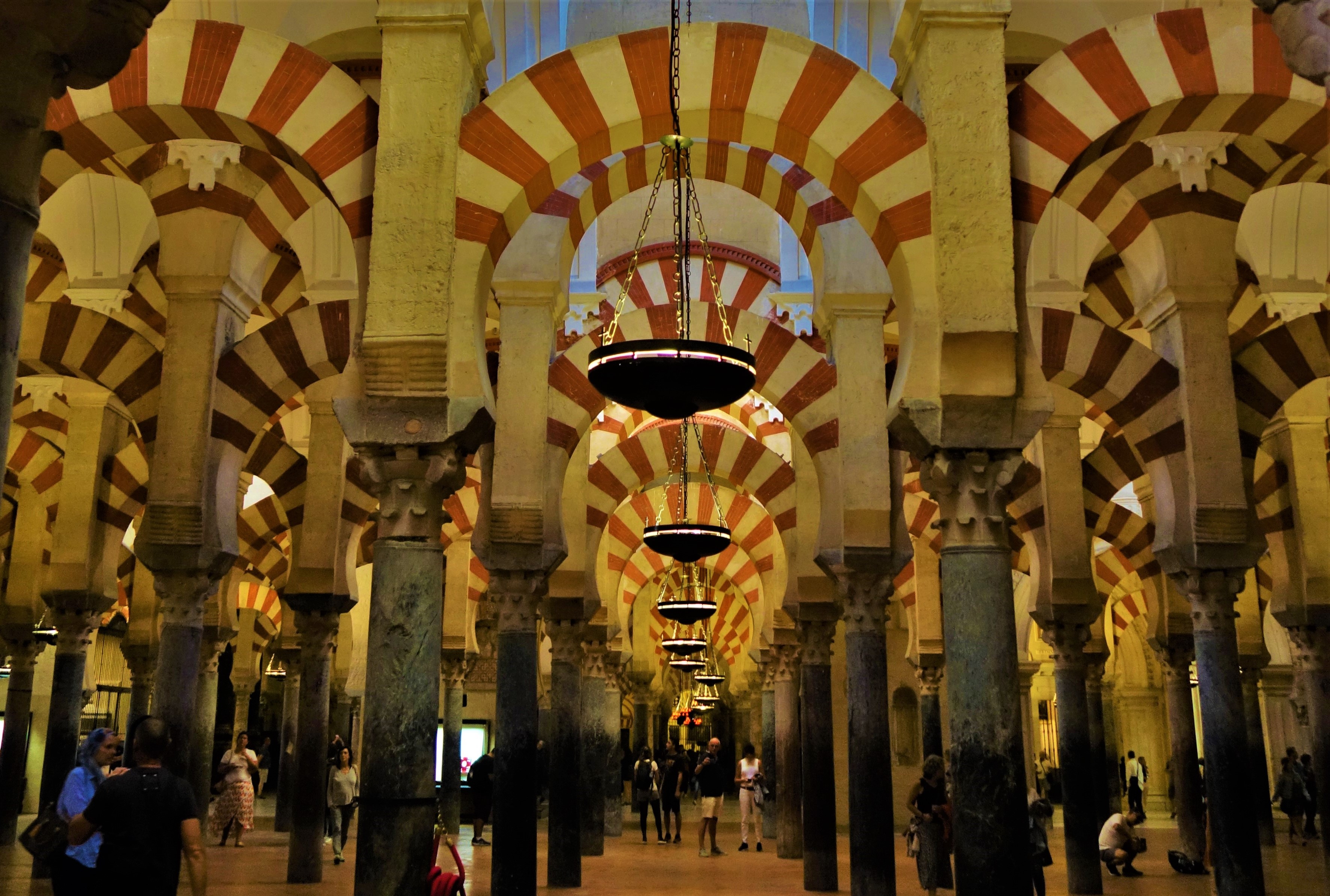
Mezquita-Catedral de Córdoba is the top attraction in Cordoba. The Great Mosque known as as the Mezquita, was originally built by Abd. Ar-Rahman, who was a great believer in religious tolerance. It is interesting to know that few hundred years later, chapels and a cathedral was added and build within the mosque. Listed as a UNESCO World Heritage site since 1984, it was what convinced me to visit Cordoba during my travel in Spain in the first place.





![[JAPAN] 6D5N Amazing Kansai Itinerary (Wakayama, Osaka, Nara, Kobe & Kyoto)](https://blogger.googleusercontent.com/img/b/R29vZ2xl/AVvXsEi2UK0e3s9-Gu8sThwL7dvNKbHojNH6iikXab7ss4Uf_gyzV7LK88LfFu1to5IMLfI7lpKCAtwbsA0yMJCCCJiYK2Mf6FHQcfqIjLBFER4esBKOEG-qHOP-CeRqUcQodGaot3gBNoxVnizq/s72-c/?imgmax=800)

![[MONACO] How To Visit Monaco In One Day From Nice](https://blogger.googleusercontent.com/img/b/R29vZ2xl/AVvXsEgZkJeVAOmz4LTRwY2uDTK131UJVUWH_44GUUU3H-ni63dK2BlNqITBIh5Tdcpz9kXTUb7ePW7f-PQ1Y7E6B4lnqKEHs_nL3Eop-ouoFhxayMI4lNCcUG-oJnGMVwpGDlBu8lfgn10H_QHw/s72-c/DSC06605.JPG)


![[MALAYSIA] How To Do A Self Guided Walking Tour in Kota Kinabalu](https://blogger.googleusercontent.com/img/b/R29vZ2xl/AVvXsEgR_cJjX4Shl9rsz0ufzxjmtLMq5PAvmTNDHypSVV2CYDaarZVj8EMznRkXqdVeCGg2yEMdFqPtI5rvrmMtJVSL1W9jqOtdCM2EFAc5ZTWn7XzPQV5sqS4s1DO0T_AuF0nq_dLQ53b9-ju3yyLJUrvU2TlhbmD4rDDV5-aPFaT2WEQZ1c257JXGUhyfsw/s72-c/20220524_131141.jpg)